
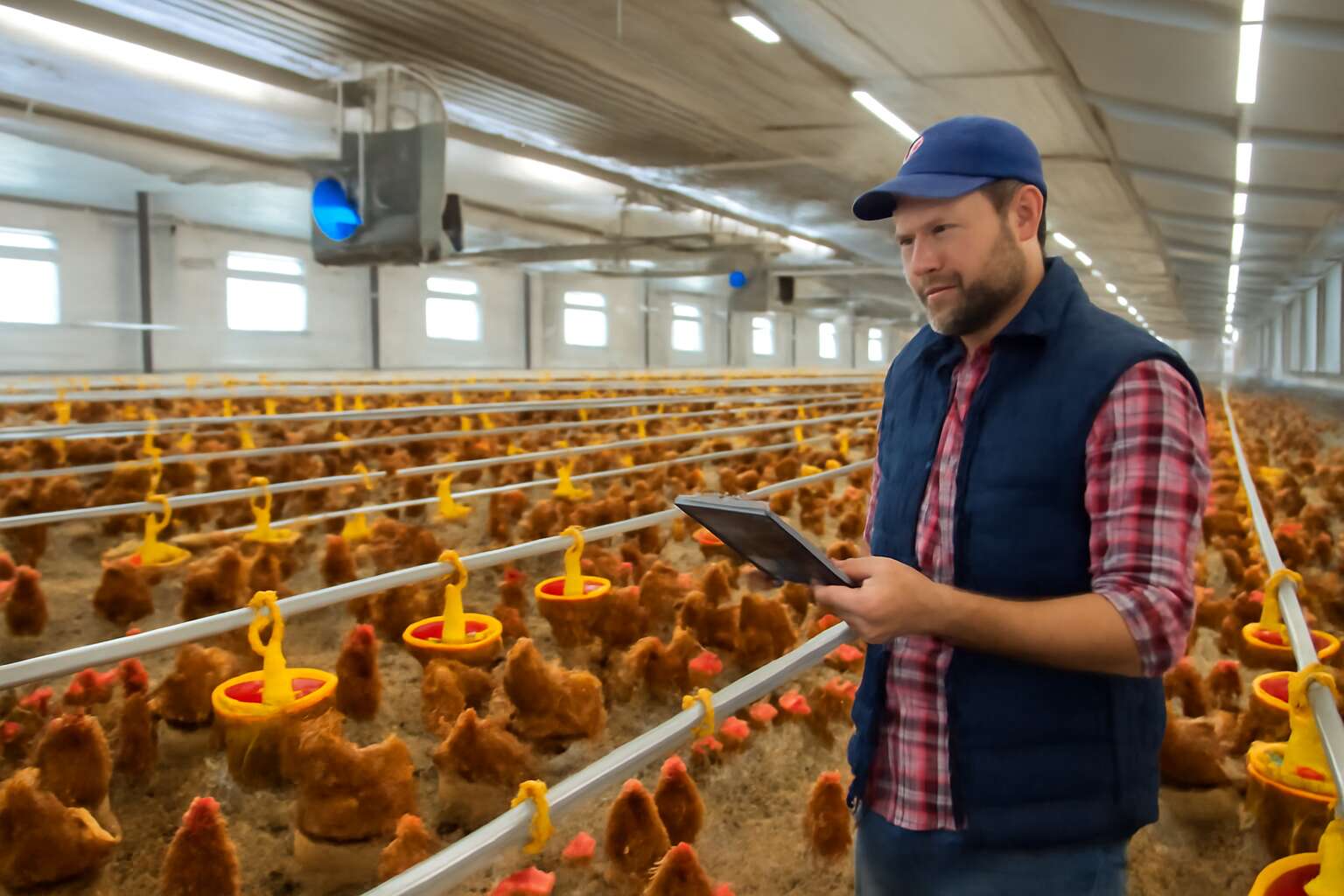
Starting a Poultry Farming Venture
Market Research and Opportunity Analysis
Across South Africa, poultry remains a vital protein source, shaping every supper plate and budget. A seasoned market observer once quipped that the market never sleeps; it merely shifts. For those eyeing a chicken farm business, market research is the compass that reveals where demand actually travels!
Market research for this venture should map who buys, when, and at what price. It is less about rumors and more about numbers: seasonal shifts, local availability, and the competitive landscape in townships and peri-urban corridors.
- Demand segments and price cycles across provinces
- Regulatory and welfare standards shaping compliance
- Feed costs, logistics, and processing capacity insights
- Risk factors from disease, weather, and market shocks
Opportunity analysis narrows the field to where appetite meets feasibility—urban-edge sites, niche poultry products, and reliable supply chains. When the map aligns with welfare, branding, and local trust, the venture becomes a story buyers remember.
Choosing a Poultry Operation Type
Markets don’t rest; they merely shift, a truth that rattles through every barn door when you decide the path of a poultry operation. The type you select shapes scale, capital appetite, and the tempo of days.
Consider these broad operation archetypes:
- Backyard starter: A compact, family-friendly approach that tests appetite and resilience.
- Semi-commercial free-range: Larger footprint and welfare-rich systems that still lean on local markets.
- Commercial broiler integration: Intensive, growth-focused model with steady throughput and processing partners.
Choosing a course for a chicken farm business isn’t about glamour; it’s about fit—how water, feed costs, and local appetites align with your story.
Initial Capital and Financing
Momentum matters in poultry—profits hinge on days when heat, water, and feed align. A bold start isn’t only ambition; it’s capital that covers essentials day after day. Survival and success hinge on steady cash flow, not just steady chicks.
Costs scale with scope. A backyard setup may need tens of thousands of rand, while semi-commercial and larger operations push into six figures. A practical approach is to secure a cushion that covers feed and utilities while the business finds its footing.
- Owner savings and informal loan pooling
- Bank or microfinance with agricultural terms
- Government-backed schemes or grants for rural enterprise (where available)
This is what makes the chicken farm business viable.
Key Legal and Regulatory Considerations
Regulatory clarity can make or break a poultry venture in South Africa. The chicken farm business thrives when licensing, zoning, and welfare rules are treated as a core operational discipline, not an afterthought. A farm that aligns with policy reduces surprises and preserves cash flow.
- Licences and permits (agriculture, environmental, water use)
- Animal Welfare Act compliance and welfare standards
- Biosecurity, disease control, and waste management
- Food safety, product traceability, and record-keeping
Beyond permits, a prudent regulator-readiness mindset anchors workers and stock, keeping the chicken farm business resilient amid droughts and policy shifts.
Business Planning and Market Positioning
Developing a Business Plan for Poultry Farming
South Africans eat more chicken per capita than any other meat, and the appetite shows no sign of slowing. That makes a sharp business plan the best feather in the cap of any chicken farm business aiming to grow. In this stage, market positioning means knowing the customers, the competition, and what makes the operation stand out.
Developing a practical plan for poultry farming requires a compact blueprint: production targets, pricing spine, and risk buffers—then backing it with a few concrete steps.
- Value proposition tailored to SA buyers
- Channel mix: local markets, retailers, and processors
- Costing, margins, and cash flow
- Regulatory compliance and biosecurity
Positioning is more than branding—it’s choosing a niche and delivering consistent quality that keeps customers coming back, season after season.
Target Market and Customer Segments
South Africans devour chicken with a devotion that would shame a foodie pilgrim, and that appetite is the fuel for a rock-solid chicken farm business. A tight business plan hinges on market positioning—knowing who buys, what they crave, and how your birds earn their keep in a crowded market. Think value propositions tailored to SA buyers, channels that meet buyers where they are, and cash flow that survives the occasional power cut. The aim is consistency: quality that turns first-time buyers into repeat customers and ambassadors.
Target market and customer segments include:
- Households seeking affordable, ready-to-cook poultry for weeknight dinners
- Local retailers and corner shops in townships needing reliable supply
- Restaurants and caterers chasing consistent quality for menus
- Processing plants and wholesalers looking for scalable volumes
- Schools, feeding programs, and community initiatives needing trusted partners
Competitive Analysis and Differentiation
A chicken farm business thrives where reliability meets appetite. In SA, families plan weekly meals around poultry, and consistency is trust. “Consistency is the currency of trust,” a refrain you hear on thriving farms. Position hinges on knowing who buys, what they crave, and how your birds earn their keep in a crowded market. The aim is a clean, compelling brand story from farm to fork.
- Transparent traceability from coop to consumer
- Consistent weight, portioning, and cooking yield
- Reliable delivery cycles and after-sales service
- Ethical farming practices and welfare standards
- Flexible volumes with scalable processing partners
Competitive analysis maps rivals not to imitate, but to illuminate your edges—quality, service, and scalable volumes. Price transparency and dependable logistics turn buyers into partners who stand by you, even when the grid falters.
Operations and Production Optimization
Breed Selection and Feed Management
Smart operations turn a chicken farm business into a rhythm of predictable cycles and steady cash flow. In practice, it starts with daily routines, tight biosecurity, and a willingness to iterate. “Healthy birds, healthy margins” is not a slogan here—it’s a discipline to live by.
Operations and production optimization hinge on housing design, climate control, and precise feed strategy. Breed selection matters: pick strains suited to your climate, market window, and growth rate. Pair that with disciplined feed management to optimize conversion and minimize waste, ensuring consistent performance across cycles. In South Africa, where power reliability and seasonal rainfall shape farming, these choices matter even more.
- Breed selection aligned with climate, disease resilience, and market demand
- Housing, ventilation, and sanitation that reduce stress and mortality
- Strategic feed formulation and scheduling to improve feed conversion
The outcome is a resilient, future-proof operation that speaks to investors and customers alike.
Housing, Biosecurity, and Welfare Standards
In the chicken farm business, the barn is your most honest auditor—quiet, relentless, and brutally practical. ‘Healthy birds, healthy margins’ isn’t a slogan; it’s a creed you live by, starting with housing that shrugs off SA heat.
Operations hinge on housing design, climate control, and airtight biosecurity—because stressed birds equal wasted money. Consider these essentials:
- Housing design and climate control to minimize heat stress and cold snaps
- Ventilation that maintains air quality and reduces ammonia
- Sanitation routines that curb disease and mortality
Biosecurity is the invisible moat. Controlled access, dedicated clothing, boot baths, and rigorous disinfection keep disease at bay, even when power reliability wobbles and seasonal rains complicate logistics.
Welfare standards aren’t optional in this operation; they boost performance and investor confidence. We tune lighting, space, and enrichment to keep birds calm, productive, and worth every Rand to the bottom line.
Production Scheduling and Cycle Management
Profit on the chicken farm business isn’t about luck—it’s about the clock! In South Africa, load shedding and temperature swings test the calmest farmer, and a ruthlessly efficient production schedule can protect margins and keep birds calm. Timing is king, and cycles that run like a metronome turn feed into tangible growth.
Production Scheduling aligns age cohorts, feed, water, and lighting with target harvest windows. Consider these core blocks:
- Batch sequencing by age and source hatch date
- Synchronized feed, water, and environmental controls
- Buffer days for contingency and processing slots
Cycle Management rests on data, review, and adaptability. Small deviations ripple into days of production, so capture KPIs, monitor throughput, adjust culling and rest periods, and coordinate transport. The result is a resilient calendar that withstands power cuts, rain delays, and seasonal ebbs—the heartbeat of a robust operation.
Automation and Farm Technology
Automation is the compass guiding the chicken farm business through the tempest of power cuts and temperature swings. In South Africa, a well-tuned farm hums like a cathedral of cages, where every watt and watt-second matters and downtime costs more than time. Technological finesse becomes reliability.
Farm technology transforms operations by turning data into decisions. A recent industry snapshot shows automation-minded farms cut downtime by up to 18% and lift feed efficiency by as much as 20%.
- Sensor networks for climate and welfare
- Automated feeders and drinkers
- Remote monitoring dashboards
- Adaptive lighting and environmental controls
This constellation of tools fortifies margins, aligns with ethical farming, and sustains growth across seasons.
Quality Control and Record-Keeping
Margins tighten as power costs rise and weather tests the coop. In the chicken farm business, precision is not a luxury but a lifeline—small variances cascade into bigger losses. A culture of production optimization can turn those variances into predictability, letting managers tune feed, labor, and production cycles with surgical focus, underpinned by real-time dashboards and disciplined data capture.
- Critical-control point quality checks
- Standardized batch records
- Real-time deviation alerts
Operational finesse translates into fewer interruptions and steadier outputs. Implement lean scheduling, standardized SOPs, and rapid corrective actions to keep birds on target throughout the cycle!
Quality control and record-keeping anchor trust with buyers and regulators alike. Regular audits, traceability from chick to carton, and clear incident logs guard margins across seasons.
Marketing, Sales, and Compliance
Brand Building and Online Presence
“Brand is trust you can taste,” a veteran grower often says. In the chicken farm business, marketing is storytelling that connects local buyers with reliable supply, transparent welfare, and responsive service. A strong online presence acts as the steady heartbeat of trust, turning visitors into loyal customers across South Africa.
Brand building and compliance come together in messages that reflect certifications, ethical practices, and consistent quality. To boost reach, consider these channels:
- Cooperating with local retailers and farmers’ markets!
- Direct-to-consumer orders through a simple, secure platform
- Content that highlights welfare standards and traceability
- Engagement through transparent customer service and quick responses
The sales engine thrives on reliability, fair pricing, and clear compliance with South Africa’s poultry guidelines. An optimized online presence—bright product pages, easy enquiry forms, and verified certifications—draws wholesalers and individual buyers alike, reinforcing the chicken farm business in a trusted light.
Sales Channels and Partnerships
Trust is the quiet engine behind every thriving farm. In a market where buyers taste reliability before price, marketing becomes storytelling that binds local hands to steady supply, transparent welfare, and responsive service. Across South Africa, an honest online presence acts as the heartbeat—silent, constant, and capable of turning visitors into loyal patrons.
Marketing channels that sing with local flavor include:
- Cooperating with local retailers and farmers’ markets to keep goods moving and visible
- Direct-to-consumer orders through a simple, secure platform
- Content that highlights welfare standards and traceability
- Engagement through transparent customer service and quick responses
The sales engine rests on reliability and fair pricing, with clear adherence to South Africa’s poultry guidelines. A bright product page, straightforward enquiry forms, and verified certifications invite wholesalers and individual buyers alike, reinforcing the chicken farm business on a foundation of compliance, audits, and trusted partnerships.
Food Safety, Traceability, and Certifications
‘Trust is the quiet engine behind every thriving farm,’ an elder grower once whispered. Marketing a chicken farm business hinges on transparent sourcing, dependable delivery, and consistent, humane care that turns visitors into loyal patrons in South Africa. It’s not noise, but a steady rhythm: steady supply, responsive service, and a local heartbeat that people can believe in.
- Local retailers and farmers’ markets to keep goods moving and visible
- Direct-to-consumer orders through a simple, secure platform
- Content that highlights welfare standards and traceability
- Transparent customer service and quick responses
Compliance, food safety, traceability, and certifications are not mere formalities; they are the passport to trust. Robust records, audit-ready workflows, and third-party certifications reassure wholesalers and home cooks alike that every batch meets strict safety and quality standards. From farm-to-fork traceability to transparent recalls and proactive welfare reporting, the venture thrives when customers see clear seals of approval.

0 Comments