
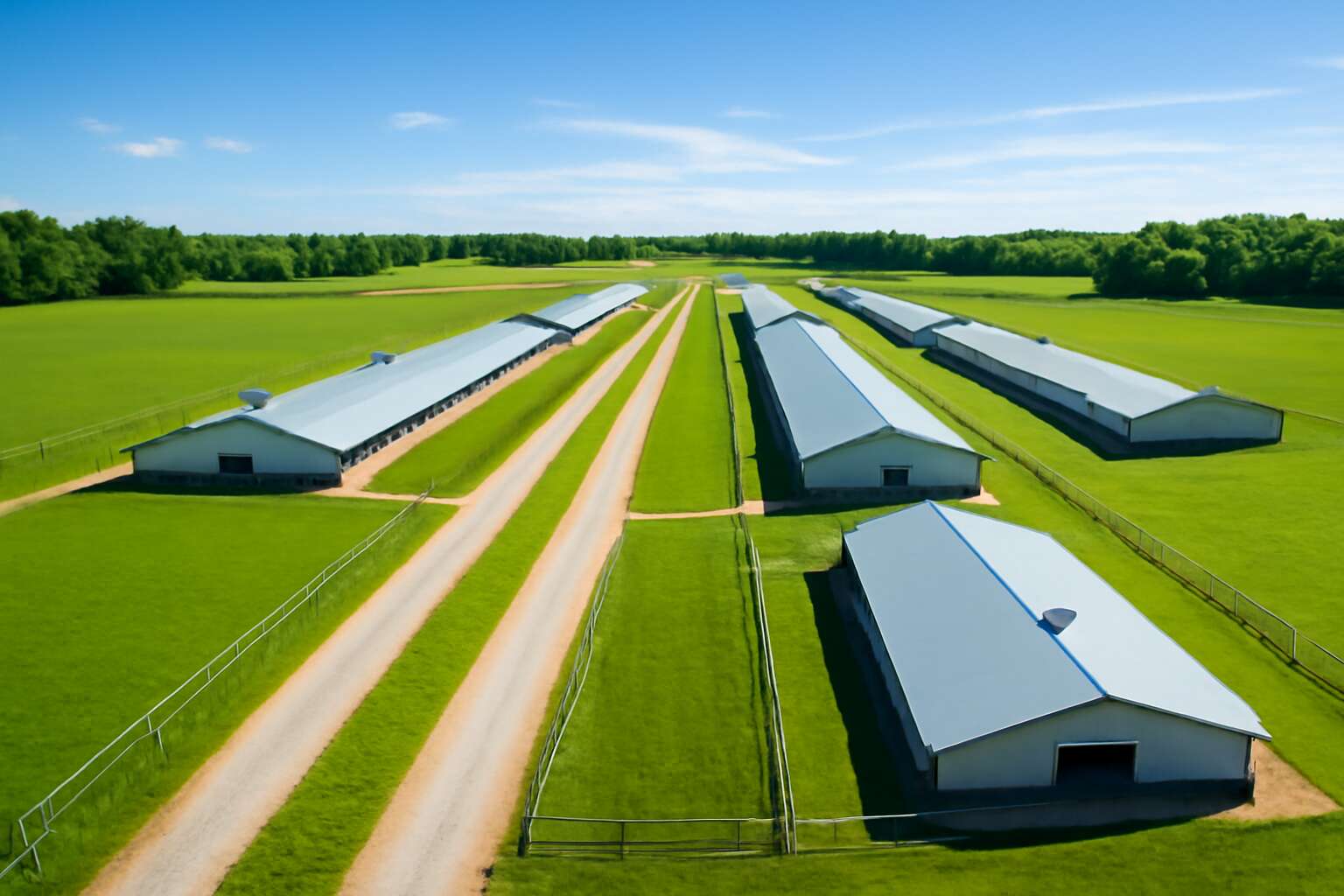
Design Principles for an Efficient Chicken Farm
Understanding Space Utilization – Maximizing land use to accommodate flock size and future expansion
When designing a chicken farm layout, understanding space utilization becomes a critical factor in achieving operational success. Land is a finite resource, especially in regions of South Africa where land management can make or break the productivity of a poultry enterprise. Every square meter must serve a purpose, whether in housing, feeding, or waste management, creating a symbiotic environment that maximizes flock health and growth.
Strategic planning involves anticipating future expansion—after all, today’s modest poultry operation can quickly evolve. It’s essential to allocate space generously for current needs but also reserve a buffer area for scalability. Efficient land use in a chicken farm layout not only reduces costs but enhances overall biosecurity, preventing cross-contamination and disease spread. To visualize this, consider these core principles:
- Optimized placement of poultry houses to facilitate ease of access and maintenance
- Designing pathways that minimize waste and viral transmission
- Creating zones for feeding, watering, and ventilation that adapt to flock size
Every decision in the chicken farm layout becomes a piece of the puzzle that, when placed thoughtfully, results in a farm that’s both resilient and poised for future growth. It’s this meticulous approach that transforms a simple layout into a thriving, sustainable poultry operation—one that stands the test of time and fluctuating market demands.
Biosecurity and Disease Prevention – Designing layout to minimize disease spread between sections
Within the intricate design of any chicken farm layout, biosecurity and disease prevention are paramount—they are the silent guardians of health that can determine the success or failure of your poultry operation. A well-conceived layout weaves these principles seamlessly, creating natural barriers that minimize disease spread between sections. It’s not just about placing poultry houses haphazardly; strategic positioning reduces the risk of cross-contamination—this is the heart of safeguarding a resilient flock.
Consider establishing clear zones for each stage of poultry development. Each zone must be accessible yet discreetly isolated, with dedicated pathways for personnel and equipment. This approach lessens the chances of viral transmission, a vital factor in regions like South Africa where biosecurity is often challenged by varying environmental conditions. Employing physical barriers, such as fencing or controlled entry points, can serve as the first line of defense—an invisible shield against disease encroachment.
To enhance this architecture, design the chicken farm layout with these core principles:
- Sequenced arrangement of poultry houses to prevent airflow from infected to healthy sections
- Separate waste management zones located away from primary flock areas
- Dedicated sanitation stations at strategic points within the farm
By meticulously orchestrating space and flow, a poultry farm transforms from a simple collection of structures to an integrated disease prevention system—an essential shield that sustains productivity and peace of mind. Every element, from ventilation corridors to access routes, becomes a vital layer in this complex defense network, ensuring health is preserved even amidst unpredictable challenges.
Environmental Control and Ventilation – Ensuring proper airflow and temperature regulation
Creating a harmonious chicken farm layout isn’t just about aesthetics; it’s about orchestrating an environment where airflow and temperature work in tandem to nurture healthy flocks. Proper environmental control transforms a basic farm into a sanctuary of productivity, safeguarding birds from the chill of winter and the sweltering summer heat. Achieving this balance means designing with intention—ensuring that each structure plays its part in a seamless airflow system.
Effective ventilation is the heartbeat of a well-designed chicken farm layout. It involves more than installing fans; it’s about strategic placement—ventilation corridors that guide fresh air through each section, pushing out stale, humid air that can harbor disease. When airflow is optimized, it naturally moderates temperature fluctuations and reduces ammonia buildup, creating a more resilient environment for poultry.
Key principles for environmental control include:
- Positioning poultry houses to leverage prevailing winds, maximizing natural ventilation
- Creating windbreaks that shield flocks from gusts during extreme weather
- Incorporating adjustable vents and fans for real-time climate regulation
In regions like South Africa, where environmental unpredictability reigns, flexible design choices become vital. When thoughtfully integrated into your chicken farm layout, these elements form a layered defense—helping your flock thrive despite the whims of Mother Nature.
Key Components of a Chicken Farm Layout
Housing Structures and Coops – Selecting appropriate coop design for different poultry breeds and production goals
Designing an effective chicken farm layout is more than just placing coops randomly. Housing structures and coops are the backbone of any successful poultry operation, influencing productivity and bird health. Selecting the right coop design depends heavily on the poultry breed and production goals—from layers that need ample space to broilers requiring quick turnaround times.
It’s essential to consider features like ventilation, ease of cleaning, and natural light when planning coop layouts. An intelligently designed chicken farm layout incorporates different zones—ventilation corridors, nesting areas, and feeding stations—that cater to the birds’ needs and ensure optimal airflow and comfort. These elements not only boost welfare but also help contain disease and support long-term sustainability.
Understanding the value of breed-specific housing options can also improve farm efficiency. For instance, free-range systems demand larger, well-ventilated coops, while intensive setups prioritize space-saving enclosures. Ultimately, a carefully thought-out chicken farm layout blends practicality with the well-being of the poultry—highlighting that good design can make or break the success of the farm.
Feeding and Watering Systems – Strategic placement of feeders and drinkers for optimal access
Precision in the strategic placement of feeding and watering systems can make or break the productivity of a chicken farm layout. Efficient access is vital—not just for the birds’ nourishment but also for the ease of maintenance and management. Well-designed systems ensure that feed and water are uniformly distributed, reducing competition among poultry and minimizing waste. When feeders and drinkers are thoughtfully positioned, it encourages natural foraging behaviors and promotes better health among the flock.
In many successful farms, a simple yet effective method involves arranging these essentials along central or perimeter pathways, allowing birds to access resources without congestion. To optimize this layout, consider the following:
- Location near nesting areas to reduce movement and stress
- Placement in shaded zones to prevent spoilage and foster comfort
- Ease of refill and cleaning to streamline farm operations
By aligning feeders and drinkers with the overall chicken farm layout, farmers in South Africa can foster a more sustainable and productive environment. The result: healthier birds, less disease transmission, and a boost in overall farm efficiency that keeps profits rising.
Waste Management Areas – Designing zones for manure collection and disposal
Within the intricate tapestry of a well-crafted chicken farm layout, waste management zones are the silent guardians of health and harmony. Manure collection and disposal areas, often tucked discreetly yet strategically so, transform a farm’s chaos into order. These zones must be designed with meticulous care, ensuring efficient separation from the flock’s living spaces to prevent the spread of disease and foul odors. The smell of fresh manure can be a sign of neglect or poor planning, but with an innovative approach, it becomes a manageable aspect of sustainable poultry farming.
To master this aspect of the chicken farm layout, consider the placement of waste areas along the periphery, away from nesting zones and feeding systems. This not only streamlines cleanup but also safeguards biosecurity. Constructing drainage channels that guide manure away from water sources and flocks further enhances environmental safety. An organized approach, featuring designated collection points coupled with sealed storage facilities, reduces labor and prevents cross-contamination, all while respecting the integrity of your farm’s ecosystem.
In essence, an enchanting chicken farm layout embraces both function and foresight. It transforms waste management from a chore into an art form—one that sustains productivity and nurtures the health of every bird beneath the South African sun. The careful zoning of manure disposal areas keeps the farm pristine, promotes environmental stewardship, and keeps profits blooming like a veld spring after rain.
Storage and Equipment Areas – Designing storage for feed, tools, and farm equipment
Any successful chicken farm layout begins with understanding that storage and equipment areas are not just logistical necessities—they are the heartbeat of the operation. Without careful planning, these zones risk becoming chaotic, disrupting workflow, and compromising efficiency. Properly designed storage solutions grant peace of mind, ensuring feed, tools, and equipment are readily accessible yet securely stored away from the flock’s living environment.
Effective chicken farm layout emphasizes the importance of dedicated spaces for these essentials. Strategic placement ensures that staff can swiftly retrieve feed and supplies, minimizing wasted time and effort. Incorporating
- weather-proof storage sheds
- organized shelving units
- sealed containers for feed
elevates operational standards, promoting cleanliness and biosecurity.
Meanwhile, equipment storage should be thoughtfully integrated, housing machinery like feeders, drinkers, and cleaning tools. Ensuring ample space and clear pathways not only streamlines daily routines but also reduces risks of cross-contamination, a crucial aspect of sustainable poultry farming. When designed with intention, the chicken farm layout becomes an efficient, harmonious ecosystem—one that respects the demands of both bird welfare and human labor alike.
Isolation Zones – Creating quarantine sections for new or sick birds to prevent disease outbreaks
In the delicate balance of a chicken farm layout, few elements wield as much silent power as isolation zones. These specialized quarantine sections act as the fortress of biosecurity, shielding your flock from potential disease outbreaks that can turn a thriving operation into chaos overnight. For poultry farmers in South Africa, creating these zones isn’t just a precaution—it’s an essential safeguard for sustainable success.
Strategically positioned, isolation zones typically occupy a separate area from the main flock housing, ideally with a clear pathway that prevents accidental cross-contamination. Within this space, sick or new birds are monitored in the utmost comfort, far from the established flock’s living environment. An effective chicken farm layout seamlessly incorporates:
- Dedicated quarantine pens
- Secure fencing
- Clear signage
to ensure quick access and minimal risk.
By doing so, the layout enhances overall biosecurity, reducing the chance of pathogens spreading silently through a poorly planned farm. The true power of a balanced chicken farm layout lies in these hidden yet vital zones, safeguarding the health of your poultry and the prosperity of your operation—making every square meter count in this relentless pursuit of harmony. Protect your birds, and they will reward you with robust health and productivity. The secret is in the details—details that transform a good farm into a legendary one.
Site Selection and Land Preparation
Choosing the Ideal Location – Factors such as drainage, climate, and accessibility
Choosing the right site for your chicken farm layout isn’t a matter of mere convenience; it’s a moral decision rooted in respect for the animals and the environment. In South Africa, where land can be both a blessing and a burden, the location must support sustainable growth and natural harmony. A well-selected site minimizes the risk of disease and maximizes productivity, ensuring that every inch serves a purpose beyond mere utility.
Prioritizing factors such as drainage, climate, and accessibility forms the foundation of a resilient chicken farm layout. Poor drainage can lead to waterlogging, which fosters disease, while unanticipated climate fluctuations threaten flock health. Accessibility isn’t just about ease of movement—it’s about safeguarding biosecurity. Multiple access points should allow easy entry for supplies and emergency responses without disturbing the core flock zones.
- Drainage and water management to prevent stagnation.
- Climate considerations for temperature regulation and ventilation.
- Ease of access for efficient operations and biosecurity.
Preparing the Land – Soil testing, leveling, and laying foundations
When it comes to setting up a thriving chicken farm in South Africa, site selection and land preparation are the cornerstones of a successful chicken farm layout. The journey begins with thorough soil testing — understanding the composition, pH level, and drainage capacity of the land ensures a solid foundation for your poultry operation. Poor soil can lead to waterlogging and compromise flock health, so taking the time to analyze and amend the terrain pays dividends in the long run.
Once the soil is deemed suitable, leveling the land creates a flat, stable surface that simplifies construction and water management. Proper grading directs rainwater away from critical areas, preventing stagnation and disease. Foundations for housing structures and feed storage areas must be laid with precision, ensuring stability and longevity. This meticulous land preparation fosters an environment where your chicken farm layout can flourish, prioritizing the health and productivity of your flock while respecting the natural landscape’s integrity.
Water Supply and Drainage Systems – Ensuring reliable water sources and efficient drainage for farm operations
In the intricate dance of establishing a successful chicken farm layout in South Africa, water supply and drainage systems often go unnoticed but are absolutely vital. A reliable water source ensures your flock remains hydrated and healthy, especially during the region’s hot summers. Equally important is an efficient drainage system that diligently carries away excess moisture, preventing soggy conditions that could invite disease. Proper drainage doesn’t just protect your soil and infrastructure—it acts as a safeguard for the wellbeing of your poultry.
Implementing a well-designed water and drainage plan involves strategic placement of water lines and consideration of natural land contours. To streamline this aspect, many farms employ
- gravity-fed water systems
- subsurface drainage channels
that work harmoniously with the terrain. These features ensure water flows away from the chicken housing units and feeding areas, reducing the risk of disease transmission and promoting a healthier environment. When mapping out your chicken farm layout, prioritizing water access and effective drainage becomes a cornerstone of long-term success and operational efficiency.
Power Supply and Lighting – Positioning for optimal energy access and natural light usage
Successfully establishing a chicken farm in South Africa hinges on thoughtful site selection and meticulous land preparation. Choosing the right location isn’t just about proximity to markets; it’s about understanding how natural resources and terrain will influence your farm’s productivity. An optimal site offers reliable power supply and abundant natural light, both of which are essential for maintaining healthy poultry and reducing operational costs.
When planning your chicken farm layout, it’s crucial to evaluate factors like terrain elevation, soil quality, and infrastructure access. A strategic placement ensures that power sources—such as solar panels or grid connections—are easily accessible, enabling consistent lighting and ventilation within your poultry housing. Proper land preparation, including soil testing and leveling, creates a sturdy foundation that supports durable housing structures and efficient waste management areas. By emphasizing these elements, you set the stage for a resilient and productive poultry operation that maximizes land use and optimizes energy efficiency.
Optimizing Workflow and Farm Management
Workflow Layout – Designing pathways to facilitate movement of staff, vehicles, and supplies
Effective chicken farm layout is the backbone of productive and biosecure poultry operations. When designed with an emphasis on optimizing workflow and farm management workflow layout, the entire system becomes a seamless dance rather than a chaotic scramble. Clear pathways allow staff to move swiftly between critical zones, reducing fatigue and minimizing the risk of accidents, which are often overlooked in traditional farm designs.
Thoughtful pathway design also dictates how vehicles, such as feed trucks and waste removal carts, navigate the farm. For example, establishing a one-way flow prevents bottlenecks, ensuring even during peak activity, the farm remains operationally smooth. Additionally, incorporating dedicated access points for supplies, coupled with logical zoning, not only accelerates routine tasks but also heightens biosecurity—less cross-contamination, fewer disease outbreaks.
- Designing pathways for quick access to vaccination and health check stations
- Creating buffer zones to segregate clean and dirty zones
- Strategically positioning waste management to facilitate waste removal without disrupting daily operations
This meticulous approach to farm layout elevates overall efficiency, making sure that each movement, whether of staff or equipment, supports the long-term health and productivity of the flock. A well-planned chicken farm layout doesn’t just look neat—it truly works like the nervous system of a thriving enterprise, ensuring every part coordinates flawlessly.
Segregation of Production Areas – Creating zones for different stages of bird growth and production
Creating distinct zones for different stages of bird growth isn’t just a logistical choice—it’s a strategic move that can transform a chicken farm layout into a model of efficiency. Proper segregation ensures that young chicks are kept in environments tailored to their specific needs, separate from mature birds, reducing disease transmission and fostering healthier development.
In designing a chicken farm layout, one must consider the placement of these production areas carefully. An organized zoning plan includes dedicated juvenile rearing sections, laying hens, and broiler grow-out areas, each with controlled access points. This segmentation not only optimizes environmental control but also simplifies management practices, allowing farmers to monitor health and productivity more precisely.
Additionally, establishing buffer zones—like walkways or natural barriers—further isolates vulnerable groups, giving peace of mind that biosecurity is maintained even during busy routines. A well-structured farm layout acts as a carefully choreographed dance, where each zone pulses with purpose, ensuring the entire operation remains resilient against disease outbreaks and supports the flock’s long-term health and productivity. The art of segregating production areas highlights the essence of a thoughtfully designed chicken farm layout—where every space plays a vital role in the grand enterprise.
Access Routes and Security – Planning entry points, fencing, and security measures
Good farm management hinges on more than just raising chickens—they need a well-planned chicken farm layout that keeps everything ticking smoothly. Think of your farm as a bustling city: strategic access routes and security measures are the traffic lights and fences that prevent chaos and keep everything in order. Planning entry points for staff, supplies, and visitors isn’t just practical; it’s a safeguard against biosecurity breaches that could wipe out your entire flock.
Fencing defines your territory, but thoughtful placement of security measures like video surveillance and controlled access points ensures that no unwanted “visitors”—think predators or disease vectors—breach your sanctuary. For optimal workflow, consider creating a dedicated route for vehicles that transport feed, eggs, or manure. Keeping these pathways separate prevents cross-contamination while saving you the headache of unnecessary backtracking during busy farm days.
In fact, the layout of a chicken farm deeply influences day-to-day operations. An organized system of access routes minimizes worker fatigue and maximizes efficiency—because no one wants to spend extra time navigating a spaghetti maze just to refill feeders or check waterers! Modern farms often integrate an ordered numbered system for key entry points, simplifying management and ensuring everyone knows exactly where to go and what to do.
- Strategic entry points tailored for different farm activities
- Robust fencing to deter predators and uninvited guests
- Security checkpoints with surveillance cameras for peace of mind
All these elements serve a single purpose: creating a resilient chicken farm layout that facilitates smooth operations while guarding against threats. A well-thought-out system of pathways and security not only boosts productivity but also creates a sense of calm that’s vital for healthy poultry management in South Africa’s diverse climates.
Future Expansion Plans – Designing with scalability and flexibility in mind for growth
In the dynamic landscape of South African poultry farming, scalability is not just a buzzword—it’s a necessity. As your chicken farm grows, so must your infrastructure. Designing with future expansion in mind is akin to planting a tree whose branches will someday stretch beyond the horizon; the roots must be sturdy and the spaces flexible. A well-planned chicken farm layout ensures that additional coops, feed storage, or waste disposal zones can slide seamlessly into your existing framework without causing chaos or requiring a complete overhaul.
This foresight in layout design boosts operational efficiency and safeguards your investment. For instance, choosing an open yet structured pathway system allows for the easy integration of new sections, avoiding the peril of bottlenecks as flock sizes swell. Think of it as laying down a network of arteries that can accommodate more blood without clogging; it keeps your business vibrant and adaptable.
Furthermore, incorporating modular zones—such as expandable environmental control systems or scalable water supply channels—keeps your farm nimble and responsive to the unpredictable tides of poultry demand. In any well-oiled chicken farm layout, the ability to grow without disruption isn’t an afterthought; it’s woven into the very blueprint of your vision. Because in the poultry game, those who plan ahead—birds and entrepreneurs alike—flourish, even in the face of South Africa’s diverse climates and market fluctuations.



0 Comments